2026.06.06 (토) 06:54




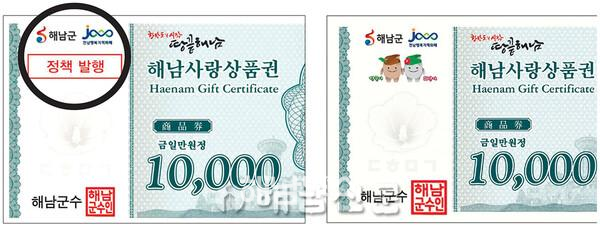 해남군 지역사랑 상품권 / 사진제공=해남뉴스 |
박충배 편집/칼럼/논설
지역사랑상품권 할인율 12%, 개인 상한액 70만 원. 겉으로는 민생을 살리는 정책처럼 보이지만, 실상을 들여다보면 그 민낯은 너무도 노골적이다.
카드 50만 원, 지류 20만 원이라는 발행 구조는 카드 단말기가 없는 재래시장과 영세 상인을 사실상 제도 밖으로 밀어낸 편파 정책에 다름 아니다.
행정은 숫자를 내세워 공정성을 말하지만, 현장의 조건과 현실을 외면한 공정은 공정이 아니라 배제의 다른 이름일 뿐이다.
카드 결제가 불가능하거나 제한적인 재래시장은 애초에 이 정책의 수혜 대상이 아니다.
할인 혜택은 카드가 있는 곳으로만 흐르고, 시장 골목의 작은 가게들은 손님이 줄어드는 현실을 고스란히 떠안고 있다.
행정은 “선택의 문제”라 말하지만, 선택할 수 없는 이들에게 선택을 강요하는 정책은 폭력이다.
카드 인프라조차 갖추기 어려운 영세 상인들에게 이 정책은 지원이 아니라 차별의 통지서다.
만약 카드 발급이 필수라면, 최소한 지류 50%, 카드 50%의 균형 발행이 상식이다.
그래야 재래시장과 골목상권이 함께 숨을 쉬고, 지역경제라는 말에 최소한의 진정성이 생긴다.
그러나 지금의 구조는 대형 가맹점과 카드 중심 상권만 웃게 만들고, 재래시장 상인들에게는 하소연할 곳조차 없는 침묵을 강요한다.
정책의 결과를 감당하는 이들은 말이 없고, 정책을 만든 이들만 성과를 자랑한다.
영세 상인을 배제한 행정은 결코 중립도, 혁신도 아니다.
그것은 현장을 버린 행정, 약자를 외면한 행정이며, 반드시 규탄 받아야 할 실패한 정책이다.
지역사랑을 말하면서 지역의 가장 약한 고리를 끊어내는 정책을 언제까지 ‘민생’이라 부를 것인가.
재래시장에서 울고 있는 상인들의 현실 앞에서, 지금의 행정은 더 이상 변명할 자격이 없다.
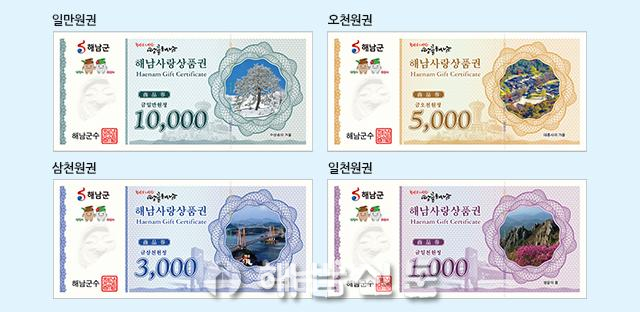 해남군 지역사랑 상품권 / 사진제공=해남뉴스 |
[Haenam = Haenam News]
haenamnews@kakao.com
Park Chung-bae | Editor / Column / Editorial
A 12% discount rate on local love gift certificates, with an individual cap of 700,000 won.
On the surface, it appears to be a policy designed to support people’s livelihoods. But when examined closely, its true face is unmistakably blatant.
The issuance structure—500,000 won in card-based vouchers and only 200,000 won in paper vouchers—is nothing less than a biased policy that effectively pushes traditional markets and small merchants without card terminals out of the system altogether.
The administration speaks of fairness in numbers, but fairness that ignores on-the-ground conditions and realities is not fairness at all—it is simply another name for exclusion.
Traditional markets where card payments are impossible or severely limited were never real beneficiaries of this policy to begin with.
Discount benefits flow only to places equipped with card systems, while small shops tucked away in market alleys are left to shoulder the harsh reality of declining customers.
The administration calls this a “matter of choice.”
But forcing choice upon those who have no real choice is a form of violence.
For small merchants who cannot even afford the infrastructure for card payments, this policy is not support—it is a notice of discrimination.
If card issuance is unavoidable, then a balanced structure of 50% paper vouchers and 50% card vouchers should be the bare minimum of common sense.
Only then can traditional markets and neighborhood businesses breathe together, and only then can the phrase “local economy” retain even a shred of sincerity.
Yet under the current system, only large franchise stores and card-centered commercial districts are allowed to smile, while traditional market merchants are forced into silence, with nowhere left to voice their grievances.
Those who must bear the consequences of the policy remain voiceless, while those who designed it boast of its “achievements.”
An administration that excludes small merchants is neither neutral nor innovative.
It is an administration that has abandoned the field, an administration that turns its back on the vulnerable, and it is a failed policy that deserves to be unequivocally condemned.
How long will policies that sever the weakest links of the community be labeled as “livelihood support” under the banner of local love?
Faced with the reality of merchants weeping in traditional markets, the administration has no right left to make excuses.
 해남뉴스 박충배 편집 및 논설위원 haenamnews@kakao.com